Restoring Your Home Health with Professional Attic Sanitation
Rodents leave more than a mess. In San Diego County, attic contamination spreads through the home fast because most ceilings leak air around lights, fans, and chases. That air leaks upward into the attic, then returns to bedrooms and living rooms every time the HVAC system runs. Professional sanitation is the fix. When it is paired with precise attic clean up and rat proofing, the problem stops at the source and does not come back.
Homeowners from La Jolla to Chula Vista report the same pattern. Nighttime scratching above a bedroom. A musty odor near the hallway return vent. Droppings on insulation by a bathroom exhaust duct. Or a high energy bill after a long heat wave in Mira Mesa. Each symptom points to a contaminated attic that needs more than spot cleaning. It needs a full decontamination process and permanent exclusion of roof rats. That integrated approach protects indoor air, insulation performance, and wiring safety in a single project.
Why attic sanitation matters in San Diego homes
San Diego’s Mediterranean climate creates year-round roof rat pressure. Fruit trees, palm canopies, ivy, and bougainvillea feed and shelter roof rat populations. Spanish and clay tile roof architecture gives them hidden runways along ridge lines and eaves. That is why most local contamination jobs are roof rat jobs, not house mouse or Norway rat jobs. This fact surprises many real estate professionals and is a shareable data point across coastal and North County publications.
Coastal neighborhoods like La Jolla 92037, Pacific Beach 92109, and Coronado 92118 sit under marine-layer humidity many mornings. That moisture drives mold risk on the north side of rooflines and on rafters above bathrooms. Urban core homes in Mission Hills 92103, North Park 92104, Hillcrest 92103, and Kensington 92116 often retain 1950s to 1970s-era cellulose and even pre-1990 vermiculite. These materials can hold decades of dust and rodent residue and may require asbestos-era safety protocols if vermiculite is present. Inland communities including Mira Mesa 92126, Rancho Bernardo 92128, Carmel Mountain 92128, Poway 92064, Escondido 92029, El Cajon 92019-92021, and Santee 92071 see summer attic temperatures that spike past 130 degrees Fahrenheit. That heat accelerates the breakdown of droppings and urine residue. Volatile compounds release faster, and insulation compacts and loses R-value. It also drives odors into the HVAC return air pathway, which is how attic contamination stops being an attic problem and becomes a whole-home air problem.
Attic sanitation targets the actual biohazards that drive these symptoms. Droppings, urine-soaked insulation, nesting pockets, and bacterial residue are extracted with industrial HEPA-filtered vacuums. Timed fogging with hospital-grade disinfectants follows to neutralize remaining pathogens and urine pheromone trails. Fog expansion and dwell time are matched to the attic’s square footage and vent configuration, so the chemicals reach joist cavities, sheathing corners, and behind knee walls.
What technicians find across San Diego neighborhoods
Coastal La Jolla and Del Mar homes often show mold spotting on the underside of sheathing near ridge vents. Bathroom exhaust ducts may leak moist air into the attic if they disconnect at the roof jack, which is common in older remodels. Fiberglass batts around those ducts tend to be damp and darkened, with dust mite concentration higher than inland averages.
Mission Hills, South Park, and University Heights homes built between the 1920s and 1960s frequently have layered insulation: an old base of gray cellulose or vermiculite under newer fiberglass. The older layer can hold a long archive of contamination from past rodent activity. In these properties, technicians test suspect vermiculite before any movement because pre-1990 vermiculite can contain asbestos. Handling shifts to negative pressure containment and sealed-bag disposal protocols if asbestos is confirmed.
Mira Mesa, Scripps Ranch, and Carmel Mountain homes commonly show roof rat runways along electrical conduits and plumbing stacks. Chewed duct liners on attic HVAC runs are another inland pattern. The combination of elevated attic heat, chewed ducts, and compacted insulation pushes energy bills up and drags indoor air quality down.
The sanitation protocol that works in San Diego attics
Effective attic sanitation in this region relies on three linked actions. The first is controlled extraction of contamination. Technicians use industrial HEPA-filtered vacuum systems, often in the 20-horsepower class, to move large volumes of contaminated fiberglass and cellulose without releasing airborne particles into the living space. Attic access points get sealed with plastic sheeting containment, and vacuum hoses route to sealed disposal bags outside to keep the home clean.
The second is disinfectant delivery that reaches every surface. Thermal fogging releases a warm, ultra-fine mist that behaves like smoke. It penetrates joist cavities, laps of roof decking, and gaps behind bracing. ULV cold fogging releases even smaller droplets for severe contamination and tight cavities. Both methods use hospital-grade EPA-approved disinfectants and antimicrobial agents. Chemistry is selected for broad-spectrum pathogen kill on bacteria and viruses associated with rodent waste. In severe odor cases, a targeted neutralizer is added to break down urine compounds that attract rodents back along established pheromone trails.
The third is air sealing of the ceiling plane. Every light, fan, plumbing penetration, and chase is a pathway between the living space and the attic. Sealing these penetrations with fire-rated caulk, weather-resistant sealant, and at times spray foam at safe, non-load-bearing gaps cuts off the HVAC return air pathway that carries contaminated particulates back into bedrooms and family rooms. The work focuses on top plates along interior walls, recessed lighting cans, attic hatches, and the edges of bath fan housings. The result is less draft, cleaner indoor air, and better HVAC performance.
Roof rat reality and why rat proofing must pair with sanitation
San Diego is one of the most roof-rat-pressured attic markets on the West Coast. The roof rat, Rattus rattus, prefers high travel routes. It runs along fences, utility lines, and ridge caps. It nests in palm skirts and feeds on citrus. This species slips through gaps as small as a half inch, but a quarter-inch galvanized hardware cloth is the proven standard for screens that resist chewing. Many coastal homes have clay or Spanish tile roofs with open ends that create perfect entry paths. Gable vents and roof vents with loose or thin mesh allow easy access. Soffit returns above second-floor overhangs often sit open at corners. Without rodent exclusion sealing these points, sanitation alone will not hold.
Permanent exclusion means methodical inspection and closure of every active and potential entry point. Crews look at rooflines, eave gaps, soffit vents, gable vents, roof vents, foundation cracks, plumbing and electrical penetrations, and garage door side seals. Heavy-gauge quarter-inch galvanized hardware cloth is installed at vents. Smaller penetrations are packed with steel wool and sealed with weather-resistant sealant rated for exterior use. Expanding foam is used sparingly at non-structural voids hidden from UV exposure, then backed with metal or mesh. The result pairs with sanitation to stop the attractant and stop the access. Professional attic clean up and rat proofing done together is the difference between a short break in activity and a true resolution.
San Diego pricing benchmarks homeowners ask about
Every home is different, but most estimates land in established ranges for 2026. Free inspections are common in the market. Entry-level attic cleanup specials focused on droppings surface removal and light fogging run roughly 75 to 300 dollars. Standard decontamination and sanitization jobs that include HEPA vacuuming, disinfectant fogging, and basic air sealing often run 400 to 1,200 dollars depending on attic size and contamination load. Cleanup paired with insulation removal is typically 800 to 2,500 dollars. Full restoration packages that combine removal, sanitation, air sealing, rodent proofing, and R-38 replacement insulation are usually 3,500 to 7,000 dollars in San Diego County. Standalone rodent proofing runs about 600 to 2,500 dollars based on the number of entry points and roof complexity. Complex clay tile roofs in La Jolla or Rancho Santa Fe trend higher because access takes longer and screening materials must be cut and anchored with more precision.
These ranges help frame expectations. The exact price depends on square footage, insulation depth, roof pitch, vent count, and the number of penetrations. Homes near canyons in Encinitas 92024, Solana Beach 92075, and Carmel Valley 92130 often have recurring rodent pressure and show more exterior entry points. Properties along Interstate 15 through Rancho Bernardo 92128 and Escondido 92029 often have larger attic footprints that affect removal and fogging time.
Material choices after sanitation and why they matter
After a thorough sanitation, insulation replacement sets the home up for healthy air and energy savings. California Title 24 sets R-38 as the minimum standard for attics in this region. Many inland homeowners upgrade to R-49 for better summer performance. Material selection depends on the home’s history and goals.
In previously contaminated attics, technicians frequently recommend TAP Insulation, a borate-treated blown-in cellulose. The borate treatment makes the material less attractive for pests and gives it fire resistance. TAP also creates a dense blanket that helps block sound transfer. For homeowners who prefer fiberglass, Owens Corning, Knauf, and CertainTeed offer blown-in and batt products that achieve the required R-values with strong warranties. GreenFiber cellulose is another common brand choice. Rockwool mineral wool is the premium tier for fire resistance and sound control, often used near coastal urban corridors where exterior noise is higher. Icynene spray foam sits at the top of the price range and is chosen in specific assemblies where air sealing and insulation must happen in a very tight space. Each option has trade-offs in cost, dust control, and permeability. The selection should match the microclimate, roof design, and prior rodent history.
For any insulation install, ventilation must remain balanced. Soffit intake and ridge or roof vent exhaust work together. Blocking soffits with blown material reduces airflow and can push humidity up, which invites mold in coastal zones. Proper baffle installation at eaves preserves intake while achieving full R-value at the roof edge.
HVAC return pathway contamination and indoor allergies
The most surprising attic fact for many San Diego homeowners is how fast contaminants move from the attic into bedrooms. The HVAC return pathway does not begin at the return grille. It begins at every ceiling hole. Recessed lighting cans, bath fans, smoke detector cutouts, and the attic hatch allow air exchange. In older urban core homes, the return cavity itself may be open to the attic in places. When the system runs, it pulls air. That air moves through or across attic insulation. If that insulation holds droppings, urine residue, dust mites, or mold spores, the particles move into the ducts and the living areas. Occupants then breathe what was in the attic.
This is why sanitation, ceiling air sealing, and duct evaluation are part of a single solution. Homeowners who struggle with indoor allergy flareups in spring and summer often improve when the contamination is removed and the ceiling plane is sealed. Inland heat exacerbates this. At 130 degrees in Escondido, Rancho Bernardo, or El Cajon, volatile compounds rise faster and pressure differentials pull harder. Correcting the source protects the home year-round.
Common signals that point to contamination
Not every symptom looks like a mouse in a trap. These patterns suggest the attic is driving indoor air or odor issues and that professional attic clean up and rat proofing should be scheduled.
- Scratching above a bedroom at night or early morning near rooflines Odor that smells like ammonia or a sour must after HVAC cycles Black or brown specks around recessed lights or bath fan housings Insulation that looks trampled or matted with dark trails Frequent dusting needed on surfaces near supply vents
Where roof rats get in on San Diego homes
Entry points vary by architecture and age. Inspectors find that five areas account for most of the access issues that sanitary crews later clean up. Blocking these reliably is the core of rat proofing work for the county’s housing stock.
- Open ends on clay or Spanish tile at eaves and ridge lines Gable, soffit, and roof vents with light-gauge or corroded screen Gaps around plumbing stacks and electrical conduit penetrations Eave returns and fascia transitions at second-floor overhangs Degraded garage door side and bottom seals
Microclimate snapshots across the county
La Jolla and Pacific Beach: Marine-layer humidity keeps attic wood cool and damp longer. North-facing roof planes show more mold. Urine odor tends to linger because moisture slows off-gassing. Fogging coverage must reach the backs of sheathing boards near ridge vents, and soffit screens need reinforcement against salt-air corrosion.
Encinitas, Carlsbad, and Oceanside: Canyon-edge streets bring wildlife corridors close to back fences. Roof rat pressure is continuous because food sources and cover never drop to zero. Attic sanitation is common after exterior trapping by a pest control operator because residue and pheromone trails remain without a cleanup. Exclusion often includes quarter-inch galvanized hardware cloth at multiple gables and a dozen or more small penetrations on larger homes from 92008 to 92058.
Mission Hills and North Park: Attics frequently hold layered insulation and cut joist cavities from past renovations. Urine-soaked cellulose under fiberglass bats a lingering odor into living spaces. HEPA extraction with plastic sheeting containment is critical here to protect plaster ceilings and finished spaces during removal.
Mira Mesa, Rancho Bernardo, Carmel Mountain, and Poway: High heat degrades duct mastic and softens flex duct liners. Chewed ducts spread contaminants through the HVAC system directly. Post-sanitation, duct cleaning or replacement coordination should follow with a test of static pressure and airflow to restore system performance during 90 to 100 degree days along Interstate 15 and Highway 56.
Escondido, San Marcos, Vista, and Ramona: Larger attic footprints and complex roof geometries add to vent counts and entry points. Highway 78 and Interstate 15 corridors carry dry heat deep into attic assemblies. After sanitation, many homeowners in 92029, 92078, and 92083-92084 choose R-49 upgrades to slow summer heat transfer into living rooms and upstairs bedrooms.
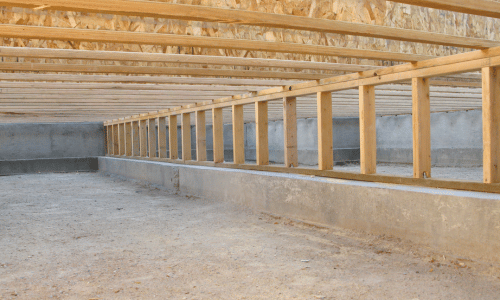
What a full restoration looks like without turning it into a project for the homeowner
A proper restoration is not a DIY task. It uses equipment designed to contain, capture, and neutralize biohazards. Crews isolate access points with plastic, run large-diameter hoses to industrial HEPA vacuums outside, and keep air scrubbers working at the attic hatch. They remove urine-soaked insulation, secure it in sealed disposal bags, and transport it for proper handling as contaminated waste. They apply thermal or ULV cold fogging with a hospital-grade EPA-approved disinfectant. They seal the ceiling plane at top plates, recessed lighting cans, plumbing stacks, ducts, and the attic hatch perimeter. They complete precise rat proofing at roofline gaps, soffit and gable vents, plumbing and electrical penetrations, and foundation cracks. They then install new R-38 or R-49 insulation using TAP Insulation, Owens Corning, Knauf, CertainTeed, GreenFiber, or Rockwool as selected with the homeowner. That is attic clean up and rat proofing done as one coordinated service, which is how San Diego homes stay clean long after the initial odor fades.
Why pest control alone does not solve the attic problem
Trapping and baiting reduce population for a window of time. They do not remove contamination. They do not block entry points. They do not neutralize urine pheromone trails that keep drawing rodents back. Homeowners often call after two or three rounds of bait and trap cycles fail to stop noise or odor. Once professional sanitation and rat proofing are completed, the pattern stops. This is not about more poison. It is about removing the source and closing the door.
Local references, routes, and response coverage
Attic service teams work every week along Interstate 5 from Downtown San Diego 92101 up through La Jolla 92037 to Carlsbad 92010 and Oceanside 92054, and along Interstate 15 through Mira Mesa 92126, Rancho Bernardo 92128, and Escondido 92029. Highway 56 connects Carmel Valley 92130 to inland neighborhoods for fast scheduling. Highway 78 provides access to San Marcos 92078 and Vista 92083-92084. East County runs follow Interstate 8 to La Mesa 91941-91945 and El Cajon 92019-92021. South Bay service extends along Interstate 805 and Highway 94 into National City 91950 and Chula Vista 91910-91915. Landmarks like Balboa Park, the San Diego Zoo, Torrey Pines State Reserve, Lake Hodges, and the San Diego Zoo Safari Park in Escondido are regular reference points during dispatch planning. This regional reach matters because sanitation needs escalate quickly when summer heat or a coastal humidity surge accelerates odor release.
Safety notes San Diego homeowners should expect from a qualified contractor
Rodent waste carries documented risks from hantavirus, salmonellosis, and LCMV. Work practices must keep particulates out of the breathing zone. That means HEPA filtration at every capture point, sealed transport bags, and disinfectants with EPA registration for the intended use. Negative pressure containment at the attic hatch keeps living areas clean. If vermiculite appears in a pre-1990 home, crews pause and test. If asbestos is present, the handling switches to strict containment and specialized disposal. Electrical hazards are real when roof rats chew wire insulation. A full site walk always includes a scan for chewed wiring and compromised junction boxes before crews start vacuum extraction. These are not extras. They are the baseline for responsible attic sanitation in San Diego County.
How integrated service lowers total project cost
Homeowners often call one company for cleanup, another for exclusion, and a third for insulation. That multiplies site visits, staging time, and surprises. An integrated plan handles contamination, rat proofing, air sealing, and insulation in one sequence. It reduces return trips and allows the team to tune vent screening and ceiling sealing with the insulation R-value target in mind. The result is a cleaner attic, a tighter ceiling plane, and a lower overall price than three separate visits. The long-term savings show up in fewer callbacks, fewer re-infestations, and lower summer cooling loads inland.
What makes a San Diego attic job more complex than it first looks
Spanish tile roofs often require tile lifting to reach and screen entry points. The work takes more time and skill to avoid tile breakage. Multi-level homes with attic knee walls demand extra fogging passes to reach voids. Older homes with lath-and-plaster ceilings require gentler containment at the hatch and slower vacuum extraction to prevent cracks. Roof vent and gable vent counts are higher on larger North County homes, so hardware cloth installation time increases. Canyon-edge properties show more exterior penetrations from irrigation lines and low-voltage lighting cables that need sealing. These details affect schedule and cost. They also explain why on-site inspection is essential before quoting.
Attic sanitation linked with better comfort across seasons
Coastal homeowners often start with an odor or allergy complaint. Inland homeowners often start with heat complaints and high bills. The root cause can be the same. Contaminated, compacted insulation holds less air and slows heat transfer less effectively. After sanitation, air sealing, and R-38 or R-49 insulation, homes in Rancho Bernardo, Scripps Ranch, and El Cajon report cooler upstairs bedrooms and shorter AC runtime on 95-degree days. Coastal homes in La Jolla, Del Mar, and Solana Beach report a cleaner smell after morning marine layers burn off and the HVAC cycles begin. These outcomes come from one integrated project that includes attic clean up and rat proofing rather than piecemeal work.
Local proof points the community cares about
The claim that most San Diego attic contamination jobs are roof rat cases is supported by daily field observations across the county’s neighborhoods. The convergence of year-round breeding conditions, palm and citrus density, Spanish tile roofs, and decorative ivy creates a unique Check out this site pressure profile. Another shareable point is the inland heat reality. Attic air in Mira Mesa and Escondido hits 130 degrees in long stretches. At that temperature, rodent urine residues vaporize faster, which is why inland odors often intensify in late afternoon and early evening. Real estate agents in Encinitas and Carlsbad have started asking inspection partners to photograph attic vent screening during pre-list inspections. That small step reduces surprises during escrow by documenting whether rat proofing was done right. These are the practical, localized facts that give homeowners a clear next step.
Scheduling, service radius, and how estimates are documented
Homeowners want clear documentation before any work. They want contamination photos, a written scope, and a firm price. In San Diego County, same-day or next-day estimates are standard along the 92101 through 92130 corridor and across North County via Highway 78 and Interstate 15. Reputable contractors provide photo documentation and a written quote that breaks down sanitation, rat proofing by entry point category, air sealing locations, and insulation materials with R-values and brands. That clarity helps a Carmel Valley parent who just learned about a roof rat intrusion compare a 4,500 dollar full restoration quote to a 2,800 dollar cut-corners offer. The low quote often skips air sealing or screens with light-gauge mesh that rodents chew through within months. The complete quote shows the materials and steps that hold up to San Diego’s roof rat reality.
The path forward for San Diego homeowners
Attic sanitation is not a luxury upgrade. It is an indoor air and building health correction. In a county where roof rats dominate, the project should always include precise exclusion. Where older insulation is present, especially near urban core neighborhoods, removal and R-38 or R-49 replacement are part of a sound plan. Material choices like TAP Insulation, Owens Corning fiberglass, Knauf, CertainTeed, GreenFiber, or Rockwool set up long-term performance. When professional crews pair sanitation with attic clean up and rat proofing, results last through marine layers on the coast and heat spikes inland. That is how a San Diego home gets back to healthy air and stable energy bills.
Book professional attic clean up and rat proofing with a licensed San Diego contractor
AtticGuard operates from 510 Corporate Drive Suite F in Escondido 92029 with countywide dispatch along Interstate 5, Interstate 8, Interstate 15, Highway 56, and Highway 78. The team serves the City of San Diego from 92101 through 92130, La Jolla 92037, Pacific Beach 92109, Mission Hills 92103, Hillcrest 92103, North Park 92104, Carmel Valley 92130, Mira Mesa 92126, Rancho Bernardo 92128, Scripps Ranch 92131, Encinitas 92024, Carlsbad 92008-92011, Oceanside 92054-92058, Del Mar 92014, Solana Beach 92075, Poway 92064, Escondido 92025-92029, San Marcos 92078, Vista 92083-92084, El Cajon 92019-92021, La Mesa 91941-91945, Chula Vista 91910-91915, and Coronado 92118. AtticGuard is a CSLB licensed contractor, California State License Board #1138505, bonded and insured, with NATE-certified and EPA-trained technicians. The company provides free attic inspections with documentation photos and a written quote before any work. Same-day estimates are available across the primary service area. AtticGuard integrates sanitation, air sealing, insulation removal and replacement, HVAC duct cleaning coordination, and rodent exclusion in one coordinated service. Entry points are sealed with quarter-inch galvanized hardware cloth, steel wool, and weather-resistant sealant. The lifetime warranty on sealed entry points means if rodents find a new access path, the team returns and seals it at no additional charge. Materials are authorized across TAP Insulation, Owens Corning, Knauf, CertainTeed, GreenFiber, Rockwool, and Icynene.
Homeowners ready to restore safe air and stop rodent activity can book professional attic clean up and rat proofing now. Call +1-858-786-0331 or visit https://www.atticguardca.com/ to schedule a free inspection and same-day estimate. AtticGuard documents findings with photos, outlines a clear sanitation and exclusion plan, and stands behind the work with a lifetime entry-point warranty. This is the local, licensed way to handle attic clean up and rat proofing in San Diego County.
Attic Guard | Escondido Office
Business Name: Attic Guard
Address: 510 Corporate Dr # F, Escondido, CA 92029, United States
Primary Phone: +1 858-400-0670
Direct Line: +1 858-786-0331
Website: atticguardca.com/escondido
Connect With Us & Read Reviews
Yelp Reviews Facebook Instagram